I was driving up 75 North, coming home from Interplan's headquarters in Orlando, when I called Patrick and pitched the whole thing.
Women in Engineering Day was coming up. I have built my work at Interplan around one thing, telling human stories, and I did not want to mark the day with the usual post. I wanted to do something the industry had never seen. So I asked myself the question I always ask. What is completely standard in another industry that no one in this one has ever done?
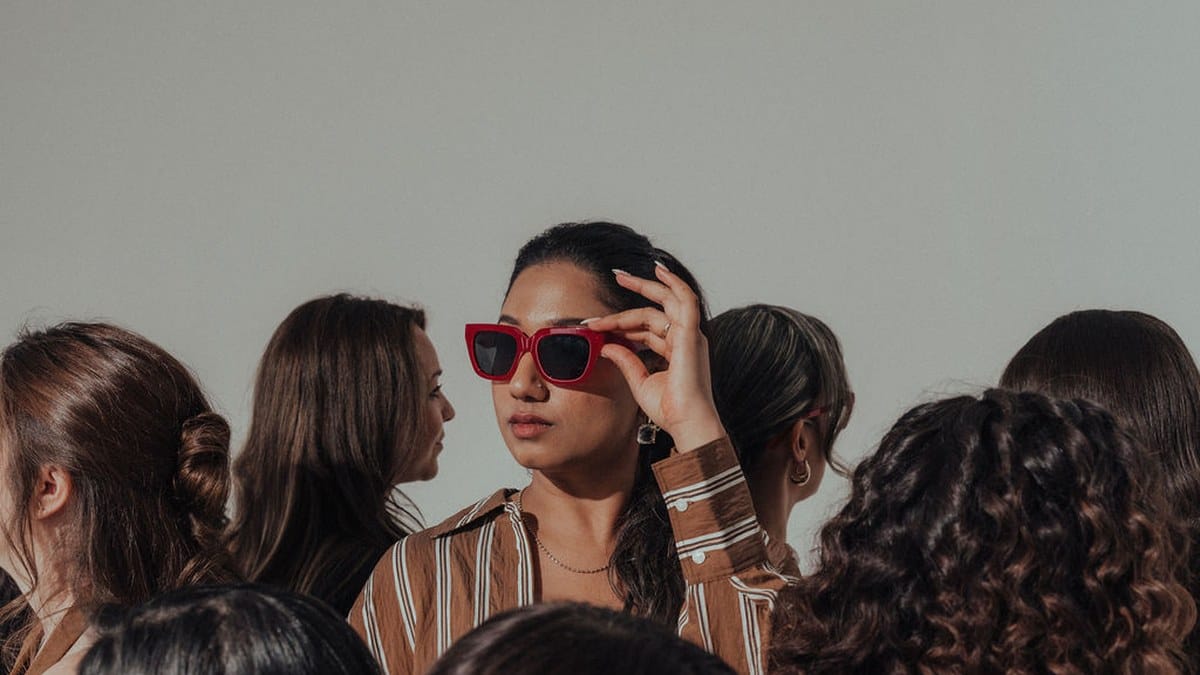
Has a company in the architecture and engineering space ever put its people through a full fashion shoot? Hair, makeup, a stylist, the whole treatment? The answer was obviously no. So that became the idea. Six women engineers, styled and shot like the cover of a magazine.
Patrick, the CEO of Interplan, was in.
Picking the right campaign headline
The fashion shoot was not a gimmick. It was the argument.
People dress up when they want to feel special. Weddings, birthdays, New Year's Eve. We put on the good clothes for the moments that matter. I wanted these six women, every one of whom had broken through a male-dominated industry to get where they are, to feel exactly that special. Because they are.
And there is a quiet taboo underneath being a woman in a field built by and for men. The unspoken pressure to shrink the parts of yourself that read as feminine, to pretend to be one of the guys, to earn your seat by disappearing into the culture that was never designed with you in mind. I wanted to make the opposite statement, as loudly as I could. You do not have to become a man to belong here. You can be fully, unapologetically yourself, a mom, a sister, a daughter, and a genuinely talented engineer, all at the same time. Nobody should have to change who they are to be accepted somewhere they have already earned their place.
The tension between fashion and engineering was the entire point. That contrast is the brand. That contrast is the culture. Put a civil engineer in a stylist's chair and you force the industry to look at something it has been trained to overlook. The campaign tagline said it in six words. Technically brilliant. Emotionally present. Unapologetically whole.
The Production Team
- Styling — Jennifer Beverly
- Hair & Makeup — Juliana Colon
- Coordination & Interviewing — Jade Gregory
- Photography — Clay Goswick
- Creative Direction — Bryan J. Noel
A good brand story is a collection of human stories
Here is where the idea I pitched on the highway turned into something better than what I pitched.
Patrick hosted a luncheon to bring the women in, explain what we wanted to do for Women in Engineering Day, and see who wanted to take part. And during that lunch, he asked them to tell their stories.
That was the magic. I was not prepared for how good they were. These were not polished elevator pitches. They were real, hard, specific human stories about how each of these women got to where she is. I read the notes afterward and something clicked. This could not be a photo shoot with a few nice captions. The photography would be beautiful, and it would do its job supporting the press. But the stories needed to be heard, in their own voices, on their own faces. So we pivoted. We would record them in studio and make this a video campaign first.
That single decision is what made the whole thing work. And it was a decision about what I could actually control. I could not control whether the press picked up the images. What I could control was what we put on our own feeds. So we built an engine we owned. Thirty story videos, five graphic posts, thirty-five pieces in total across four days, roughly nine a day, plus the setup film that kicked it off.
The humans behind the marketing campaign
The stories carried the campaign because they were true, and because none of them needed dressing up.
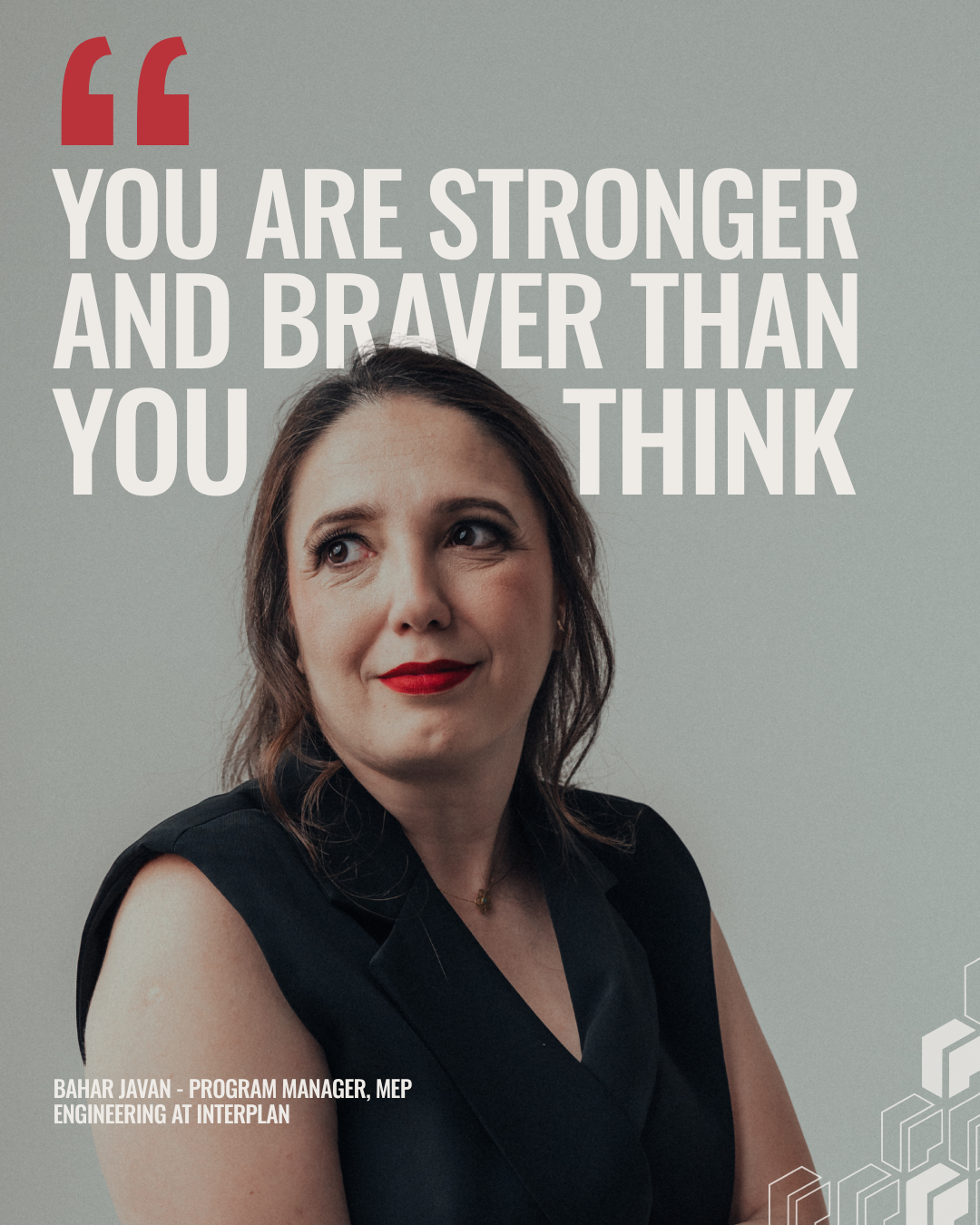
Bahar
Bahar opened a biology textbook on the first day of her second year of high school in Tehran, looked at the diagrams, and closed it for good. "I am not the person that wants to study that," she decided. "Give me the math." What sounds like a simple choice meant navigating a brutal national entrance exam and a rule that daughters could not sleep away from home, which meant commuting hours each way to a university that would let her study the thing she loved.
- Video: Fashion Shoot
- Video: Give Me The Math
- Video: I Am Really Thankful of Them
- Video: First Woman Allowed
- Video: She Showed Her Work, He Said Welcome to US
Rissa
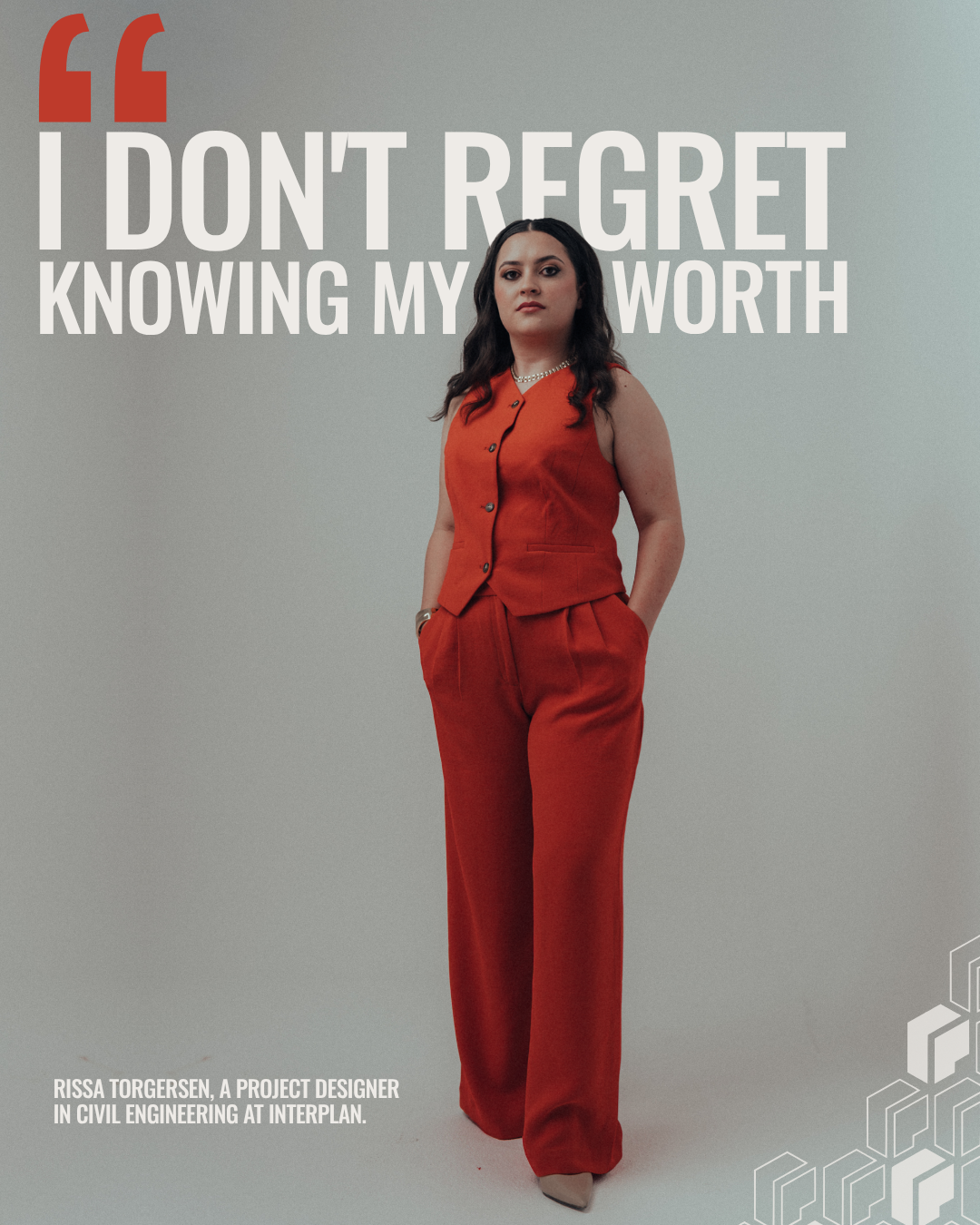
Rissa did everything right. A 4.1 GPA, the volunteer work, the full roster of everything that was supposed to matter, and the rejection letters came back anyway, more than she cares to count. She never took the answer. "When the door was shut, I was trying to climb in the window. When the window was shut, I was trying to climb in the skylight. I was determined."
- Video: Fashion Shoot
- Video: I Earned This Seat. I Was Told No 14 Times.
- Video: I Was Going to Skip Class That Day. The Rest Is History.
- Video: Your Worth Isn't Measured by Someone Else's Opinion
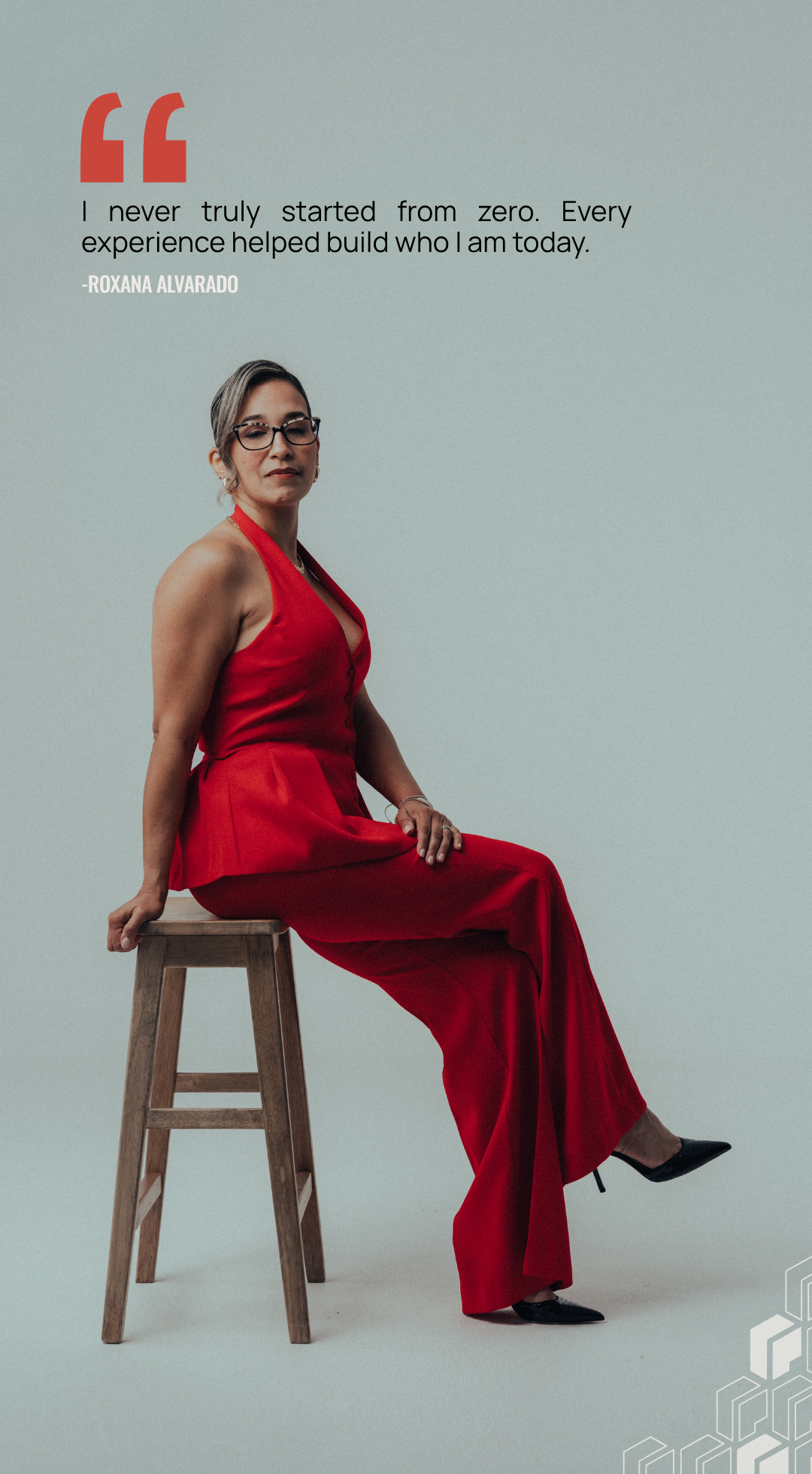
Roxana
Roxana was the household problem-solver as a kid in Venezuela, patching and figuring out and holding things together for her mother after her parents divorced. Architecture was the dream, but the economics of the country made it unreachable, so she rerouted the way engineers do: define the goal, find another path, keep moving. She graduated as a civil engineer with five children at home, studying at night after putting them to bed. Then Venezuela became dangerous and the family left for the United States with no language and no connections. Her first job here was housekeeping, and she did it for over two years. "Civil engineering was in my veins," she says. "Even when I was doing housekeeping, I was thinking in procedures."
- Video: Fashion Shoot
- Video: I Thought I Was Never Going to Be an Engineer Again
- Video: My Children Had a Shirt That Said, My Mom Is an Engineer
- Video: I Said, I Think This Is My Place
- Video: The Gentlemen May Smile, But They Will Never Have the Results We Have.
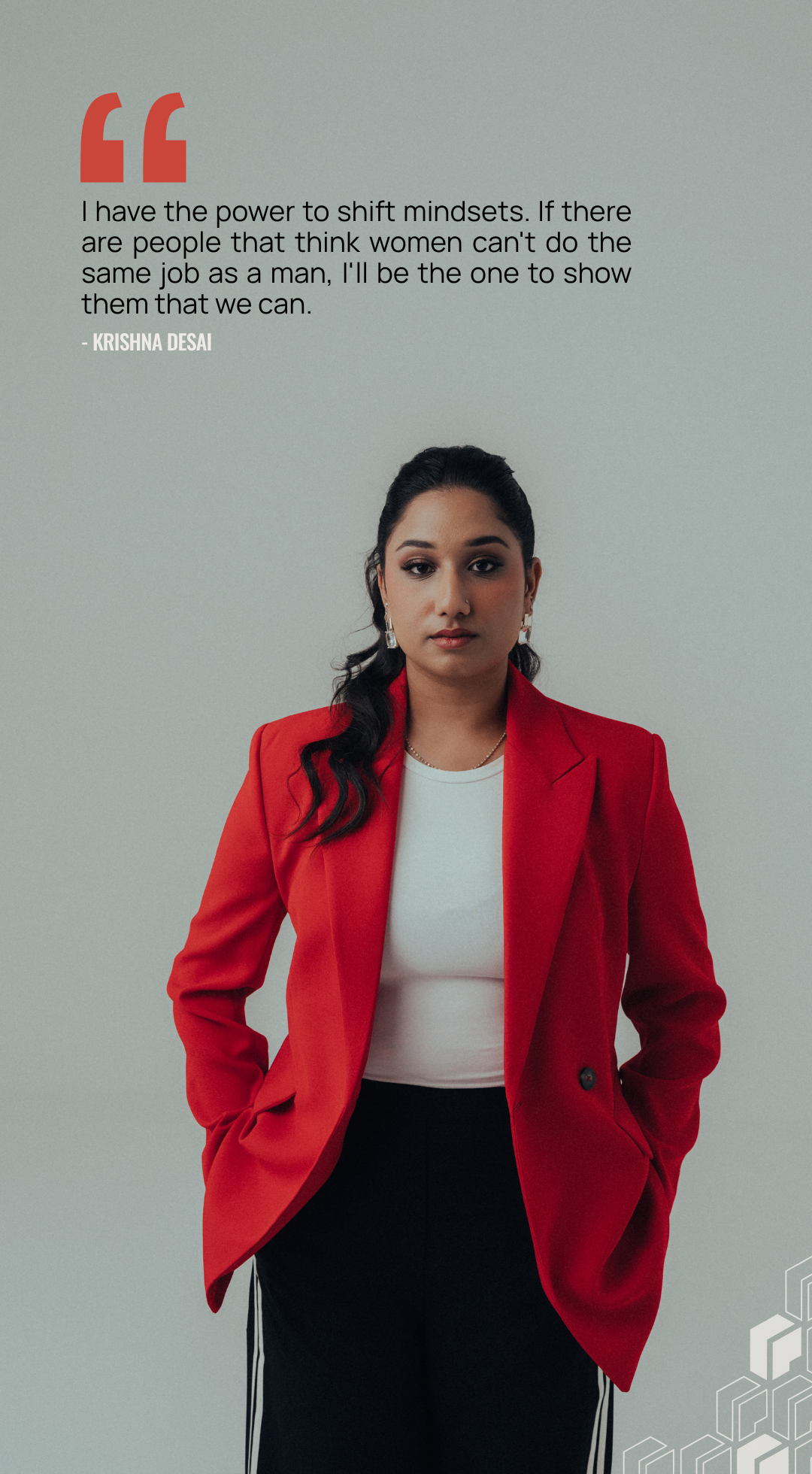
Krishna
Krishna told her interviewer at Interplan the truth before she even sat down, that she knew nothing about CAD and did not want to hide it. She had bought AutoCAD for Dummies two nights before and read it, and it did not help. "I sat in the test and could barely draw a line," she says. They hired her anyway, because the test was a baseline, not a verdict. She now leads the team.
- Video: Fashion Shoot
- Video: I Have the Same Equal Capacity to Be Here as They Do
- Video: I Just Needed the Moment to Come
- Video: You'll Be the One to Show Them That
- Video: My Chance to Show Everyone That Women Can Do It Too
Sylvia
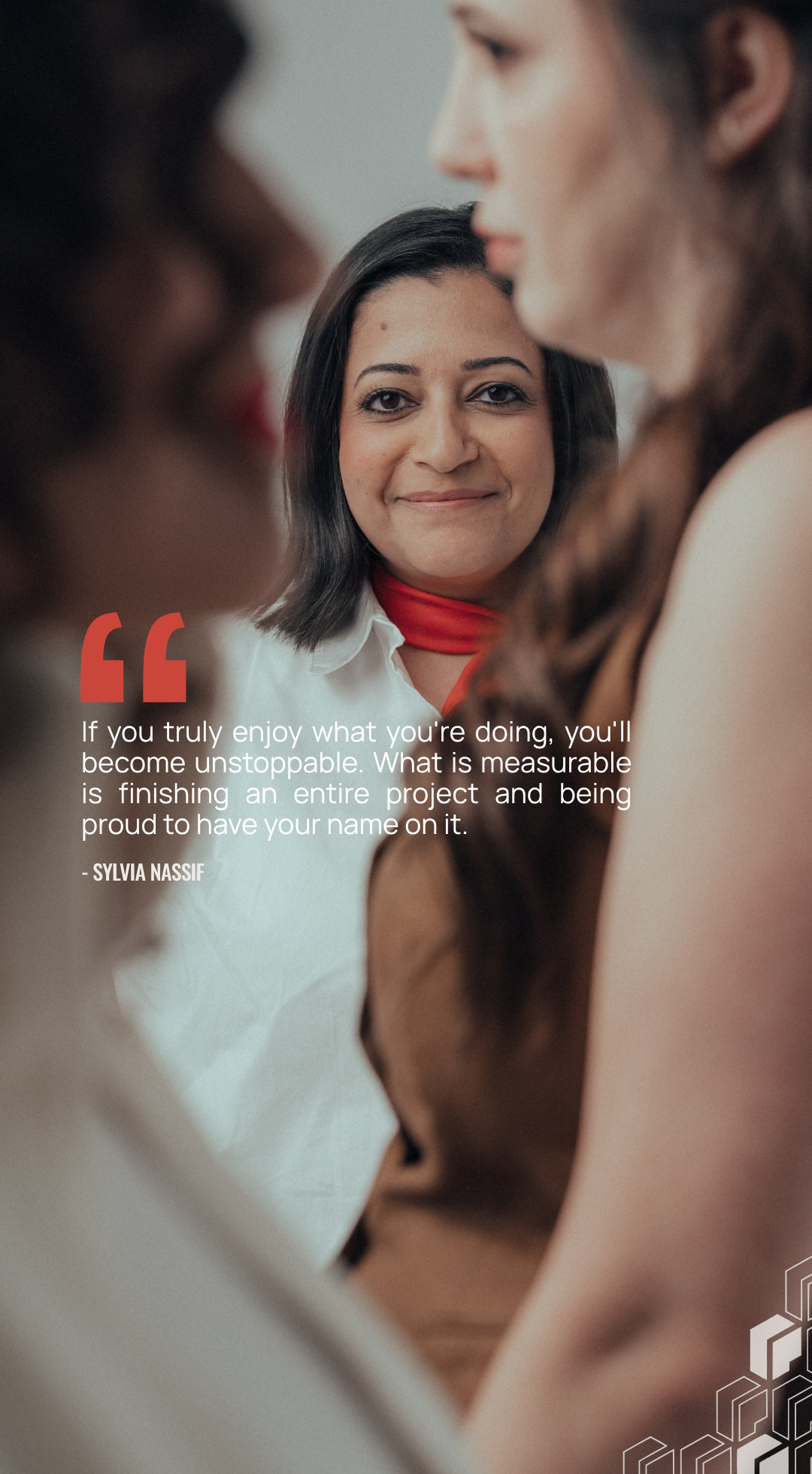
Sylvia grew up inside engineering before she ever chose it. Both her parents were aeronautical engineers in Cairo, and the work came home every day, to the lunch table, the dinner table, the everyday conversation, until the way engineers see problems became the way she saw them too. What some kids absorb about sports or music, she absorbed about how things are built and why they hold. By the time engineering was a decision, it was already a native language.
- Video: Fashion Shoot
- Video: I Really Thought I Failed That Interview Miserably
- Video: When I Started, There Were Two. Now It's Closer to 50%.
- Video: "You Have to Pay It Back"
- Video: You Will Be Grateful for a Product That Has Your Name On It
Angelia
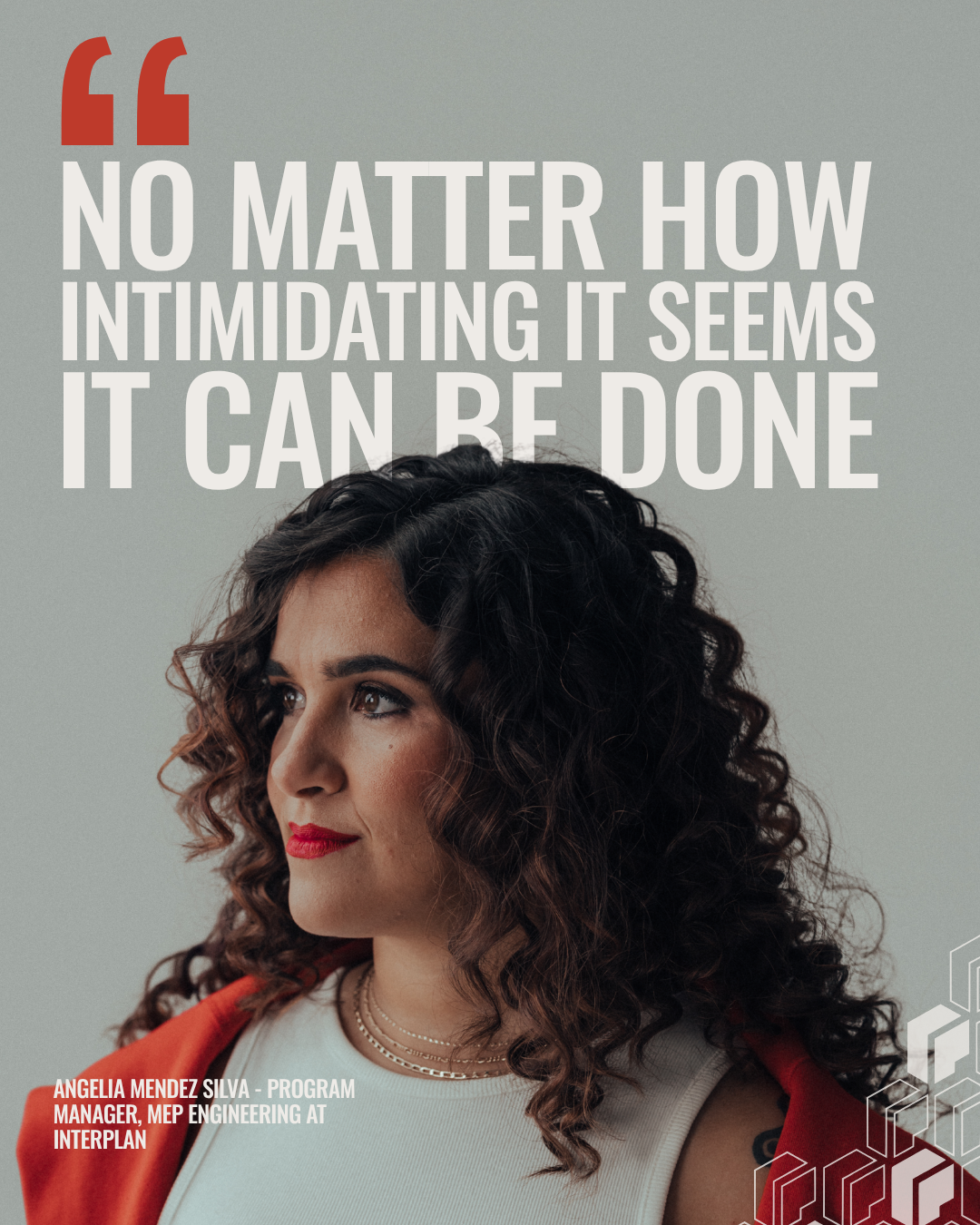
Angelia heard that her aunt's sister was a woman working as an electrical engineer, and something shifted. "This is a woman," she thought. "She is an engineer in a man-led field. I can do that too." Then she spent the next ten years making good on it, raising a daughter, working as a server, studying when she could, and eventually leaving the island she swore she would never leave.
- Video: Fashion Shoot
- Video: If She Can Do It, I Can Do It.
- Video: No. I Don't Want to Let It Fall.
- Video: They Said Hold On. I'm Going to Go Get the Engineers.
- Video: I Made It. I Just Kept Going. I Never Gave Up.
Six women. Six completely different roads to the same seat. That is the thing a corporate diversity post can never capture, and it is the thing that traveled.
The metrics behind the campaign
Seven days post-launch, here is what roughly $2,200 in paid media + organic produced.
- 1.5+ million impressions across platforms
- 45K+ of additional views on Facebook and Instagram
- 30 story films recorded in studio, plus 5 graphic posts, 35 pieces over 4 days
- 600+ outlet newswire syndication, including AP's newswire feed and dozens of TV affiliate feeds
- 2,500 contacts reached through a non-sales brand-touchpoint email sequence
The story films did the real work. The ones that traveled furthest were not the polished announcements. They were the ones with a real human sentence for a title. "I was told no 14 times." "My mom is an engineer." People do not click a corporate holiday post. They click a person.
We also ran it through a national newswire. The release, headlined "The AEC Industry Has Never Seen a Campaign Like This. Meet the Women Behind It," went out across the wire's distribution network to more than six hundred outlets, including AP's newswire feed and the syndication feeds of dozens of broadcast television affiliate sites.
We ran a brand-touchpoint email sequence to 2,500 contacts, scheduled over ten days. The goal was less about sales and more about landing a positive brand touchpoint at every stage of the pipeline, from prospects who barely know us to clients who have worked with us for years.
Every channel pointed at the same goal. Press put the campaign in front of the industry. Social carried the films. Email reached the people already in our world. The point was never the sale. The point was to be seen as human.
Human stories in a sea of AI-generated content
Here is what this whole thing is really about, and it is bigger than one campaign.
My philosophy on AI is simple, and it runs against most of what you hear. Use AI to reduce the time you spend on the nonhuman parts of your business, the systems and the processes and the busywork, so that you have more capacity to elevate the human experience. Not to replace the human part. To free yourself to invest in it.
That is exactly what this campaign was. Every efficient tool available went into building and distributing it, so that the energy could go where it actually mattered. Six real women, fully seen, telling true stories in their own voices. The machine handles the system. The human does the human part, better, because there is finally room to.
The companies that understand this will win the next decade. As more and more content gets automated and generated and optimized into sameness, the human story becomes the rarest and most valuable thing a brand can offer. Not because it performs well, though it does. Because it is true, and people can still tell the difference. They can feel it. That is not going away. If anything, it is about to matter more than it ever has.
We put six engineers through a fashion shoot to make a point about who belongs in this industry. What we proved, almost by accident, is where brand storytelling is headed. Toward the human. Always toward the human.
If you are a founder or a CEO wondering how to stand out in an industry that all looks and sounds the same, stop looking for the clever tactic. Look for the true human story you are sitting on and have been too busy or too corporate to tell. It is almost always right there in your own people. Your job is to give them the stage and get out of the way.
If you are an executive director carrying a mission, the same is true and the stakes are even higher. Your work is already human. The people you serve and the people who do the serving have stories that would move anyone who heard them. The mission is not the abstraction on your one-pager. It is those faces and those voices. Tell it that way.
So much respect.
Frequently asked questions
Q: What makes a brand campaign go viral in a traditional industry?
A: A true story that the industry has never told about itself. For Women in Engineering Day, an architecture and engineering firm put six of its women engineers through a full fashion shoot, then recorded them telling their real stories. The films carried it. The novelty got attention, but the human stories are what made people stay and share. In an industry that markets with stock photos and project renderings, a real person's real story is the rarest thing on the feed.
Q: How do you choose a campaign strategy that stands out?
A: Look for the tradition or the norm in your industry that nobody has broken, and break it on purpose. The strongest campaigns come from asking what is completely standard in another industry that no one in yours has ever done. A full fashion shoot is normal in retail and editorial. In architecture and engineering it had never happened, so putting six women engineers through hair, makeup, and styling created an immediate tension that made people look. The strategy was not the fashion. The strategy was the willingness to break a norm the whole industry had quietly agreed to keep.
Q: How do you measure the ROI of a brand awareness campaign?
A: Not by booked sales meetings, which is where most people wrongly look. A brand awareness campaign is measured by reach, engagement, and earned attention relative to spend. One brand-story campaign spent about $2,200 in paid media and generated roughly 1.5 million impressions, a sharp lift in the company's LinkedIn visibility, and a press release that syndicated to more than six hundred outlets including AP's newswire feed. If you had scored it on immediate sales, you would have called it a failure and missed the actual return, which was industry-wide awareness and being seen as a human company.
Q: What does human brand storytelling mean in the age of AI?
A: It means using AI to reduce the time spent on the nonhuman parts of a business, the systems and processes, so you have more capacity to elevate the human experience rather than replace it. As content gets automated into sameness, a true human story becomes the rarest and most valuable thing a brand can offer, because people can still tell the difference between what is real and what is generated.
Q: How do I tell a brand story that stands out in a crowded industry?
A: Stop hunting for the clever tactic and find the true human story you already have, usually inside your own people. Give them a real stage, in their own voices, and get out of the way. The differentiation is not in the production budget. It is in the truth of the story and the courage to tell it in a way your industry considers unusual.